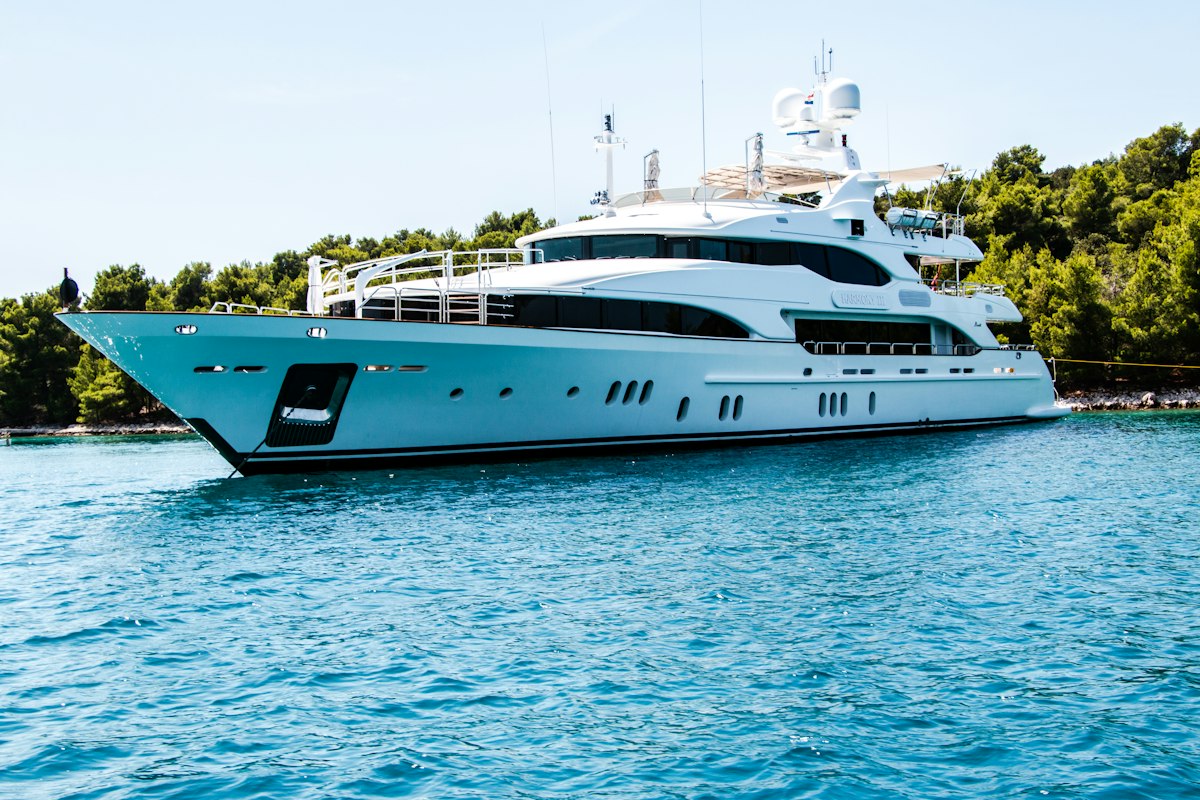
A private yacht charter is one of the most flexible and private ways to experience a coastal region. For first-time charterers the process can feel opaque. This guide outlines the main decisions, realistic timelines and what to expect so you can approach the experience with clarity.
1. Define the Experience Before the Yacht
Start with how you want to spend your days rather than a specific boat. Do you prefer quiet anchorages and swimming, lively ports and restaurants, or a mix? Are there children or multi-generational needs? Is the priority water sports, cuisine, scenery, or simply privacy? The answers shape yacht size, style (motor vs sailing), crew composition and itinerary.
2. Choose Region and Season
The Mediterranean (May–October) and Caribbean (December–April) remain the most popular. Within each region, micro-seasons matter: shoulder months often offer better availability and calmer harbours. Peak weeks around major events or holidays book earliest and command premium rates.
3. Timeline
For peak season and sought-after yachts, begin 6–12 months ahead. Flexible dates and shoulder seasons can be arranged closer to departure. Once a yacht is selected, contracts, deposits and preference sheets follow a standard sequence; your advisor will guide you through each step.
4. Understand the Cost Structure
The base charter fee covers the yacht and crew. An Advanced Provisioning Allowance (APA), typically 25–35% of the base fee, covers fuel, food, beverages, port fees and similar running costs. Unused APA is returned. Crew gratuities (commonly 10–20% of the base fee) are customary. Delivery fees may apply if the yacht needs to reposition. Ask for a clear total estimate early.
5. Preference Sheets and Onboard Life
You will complete a preference sheet covering dietary needs, cabin assignments, preferred activities and any special requests. Good crews use this to personalise the experience from the moment you step aboard. Once onboard, the captain will discuss the daily plan; weather and preference always take priority over a rigid schedule.
6. Working with an Advisor
An experienced advisor shortlists suitable yachts, negotiates terms, coordinates contracts and remains available if issues arise. The goal is a seamless process so that your attention stays on the journey rather than logistics.
If you are considering a first charter, share your preferred region, approximate dates and group size. We will outline realistic options and costs without obligation.